
Novum Gallery concept
The future of spaceflight-from orbital vacations to humans on Mars
NASA aims to travel to the moon again-and beyond. Here's a look at the 21st-century race to send humans into space.
Welcome to the 21st-century space race, one that could potentially lead to 10-minute space vacations, orbiting space hotels, and humans on Mars. Now, instead of warring superpowers battling for dominance in orbit, private companies are competing to make space travel easier and more affordable. This year, SpaceX achieved a major milestone-launching humans to the International Space Station from the United States-but additional goalposts are on the star-studded horizon.
Private spaceflight
Private spaceflight is not a new concept. In the United States, commercial companies played a role in the aerospace industry right from the start: Since the 1960s, NASA has relied on private contractors to build spacecraft for every major human spaceflight program, starting with Project Mercury and continuing until the present.
Today, NASA's Commercial Crew Program is expanding on the agency's relationship with private companies. Through it, NASA is relying on SpaceX and Boeing to build spacecraft capable of carrying humans into orbit. Once those vehicles are built, both companies retain ownership and control of the craft, and NASA can send astronauts into space for a fraction of the cost of a seat on Russia's Soyuz spacecraft.
SpaceX, which established a new paradigm by developing reusable rockets, has been running regular cargo resupply missions to the International Space Station since 2012. And in May 2020, the company's Crew Dragon spacecraft carried NASA astronauts Doug Hurley and Bob Behnken to the ISS, becoming the first crewed mission to launch from the United States in nearly a decade.
Other companies, such as Blue Origin and Virgin Galactic, are specialising in sub-orbital space tourism. With these and other spacecraft in the pipeline, dreams of zero-gravity somersaults could soon become a reality.
Early U.S. Spaceflight





Apollo 1 astronauts "Gus" Grissom, Edward White, and Roger Chaffee pose in front of the Saturn 1 launch vehicle at the Kennedy Space Center in Florida.
Source: ReutersFirst Launch.
Film crews watch as the first rocket launches at Cape Canaveral, Florida, in 1950.
Source: ReutersAdvertisementTwin Capsules.
This December 15, 1965, photograph shows the Gemini 7 spacecraft as observed from the hatch window of the Gemini 6 spacecraft during the first rendezvous maneuvers in space.
Source: ReutersSkylab Spacewalk.
Astronaut Owen Garriott spacewalks near the Apollo Telescope Mount on the Skylab 3 space station in 1973.
Source: Reuters
Looking to the moon
Moon missions are essential to the exploration of more distant worlds. After a long hiatus from the lunar neighbourhood, NASA is again setting its sights on Earth's nearest celestial neighbour with an ambitious plan to place a space station in lunar orbit sometime in the next decade.
Extended lunar stays build the experience and expertise needed for the long-term space missions required to visit other planets. As well, the moon may also be used as a forward base of operations from which humans learn how to replenish essential supplies by creating them from local material.
Although humans have visited the moon before, the cratered sphere still harbours its own scientific mysteries to be explored-including the presence and extent of water ice near the moon's south pole.
Archival Photos of Spaceflight

Aeronaut John Steiner inflates his hot air balloon at Erie, Pennsylvania, as seen in the oldest known photograph of an aircraft, a quarter-plate ambrotype taken in June 1857.
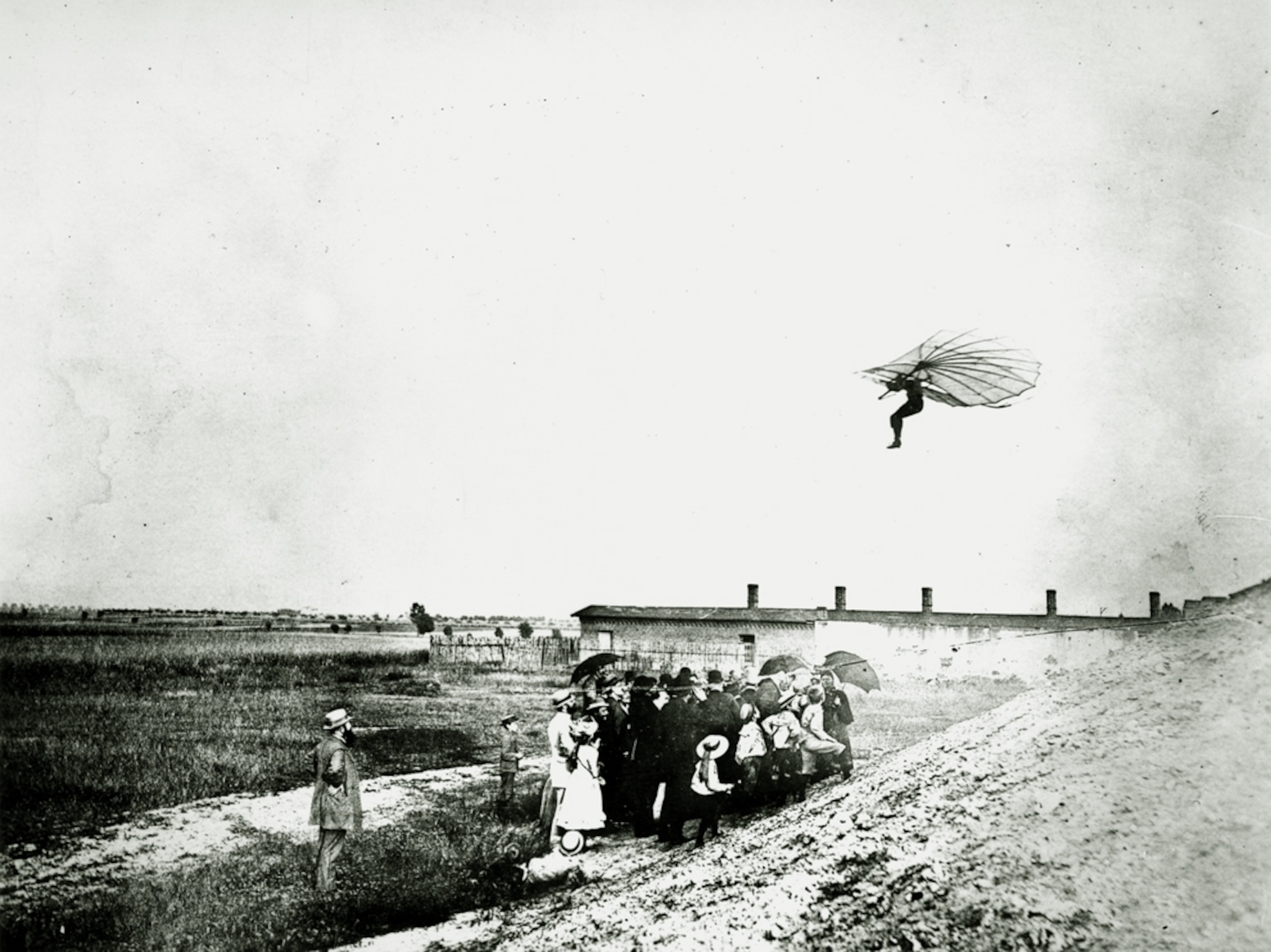
Source: ReutersLilienthal Glider.
Otto Lilienthal soars above a crowd in one of his manned gliders in an 1893 photograph.
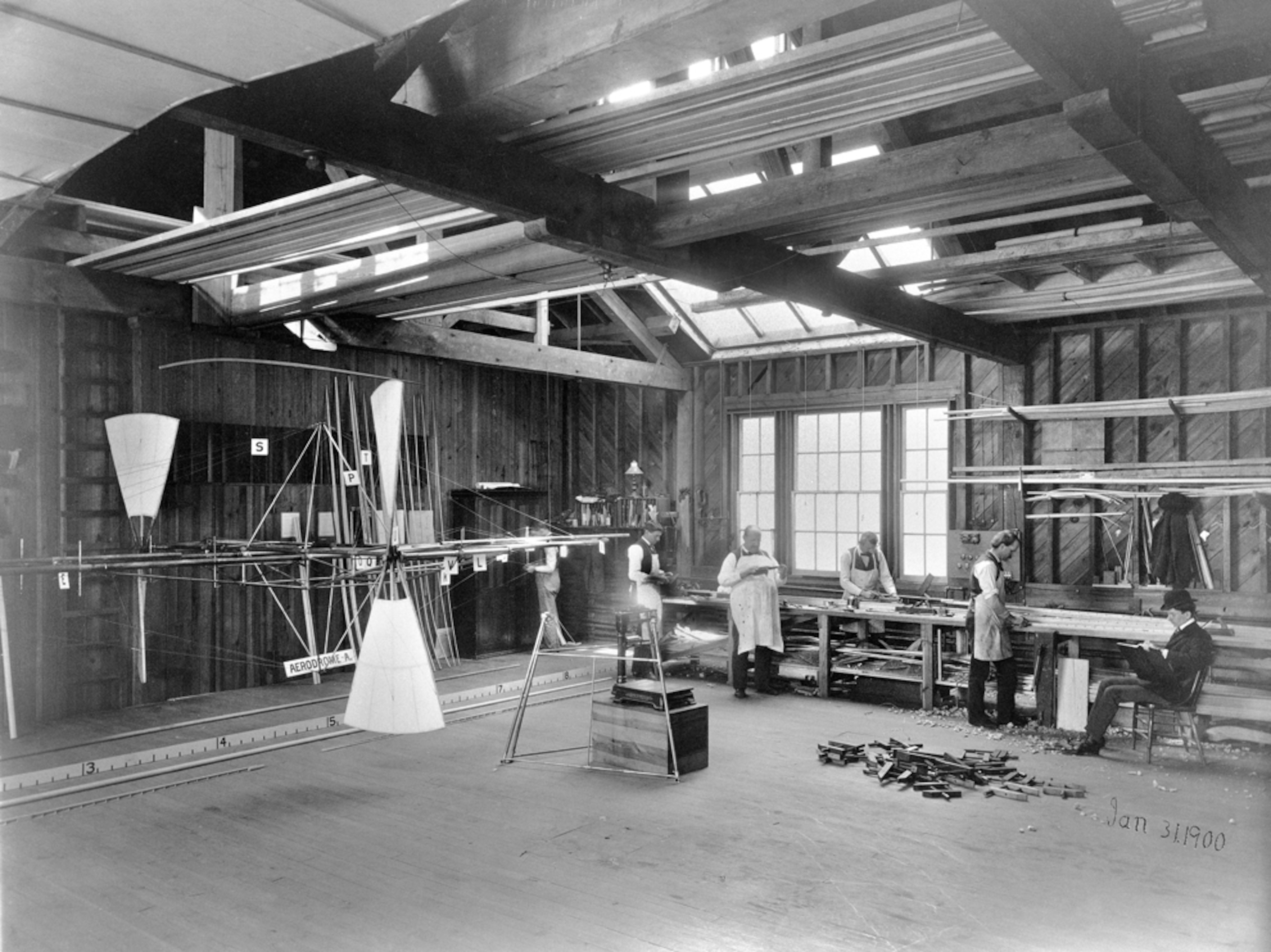
Source: ReutersAdvertisementAeronautics Workshop.
Samuel Langley's flying machine the Great Aerodrome was built, piece by piece, in this workshop on the second floor of the Smithsonian's South Shed.
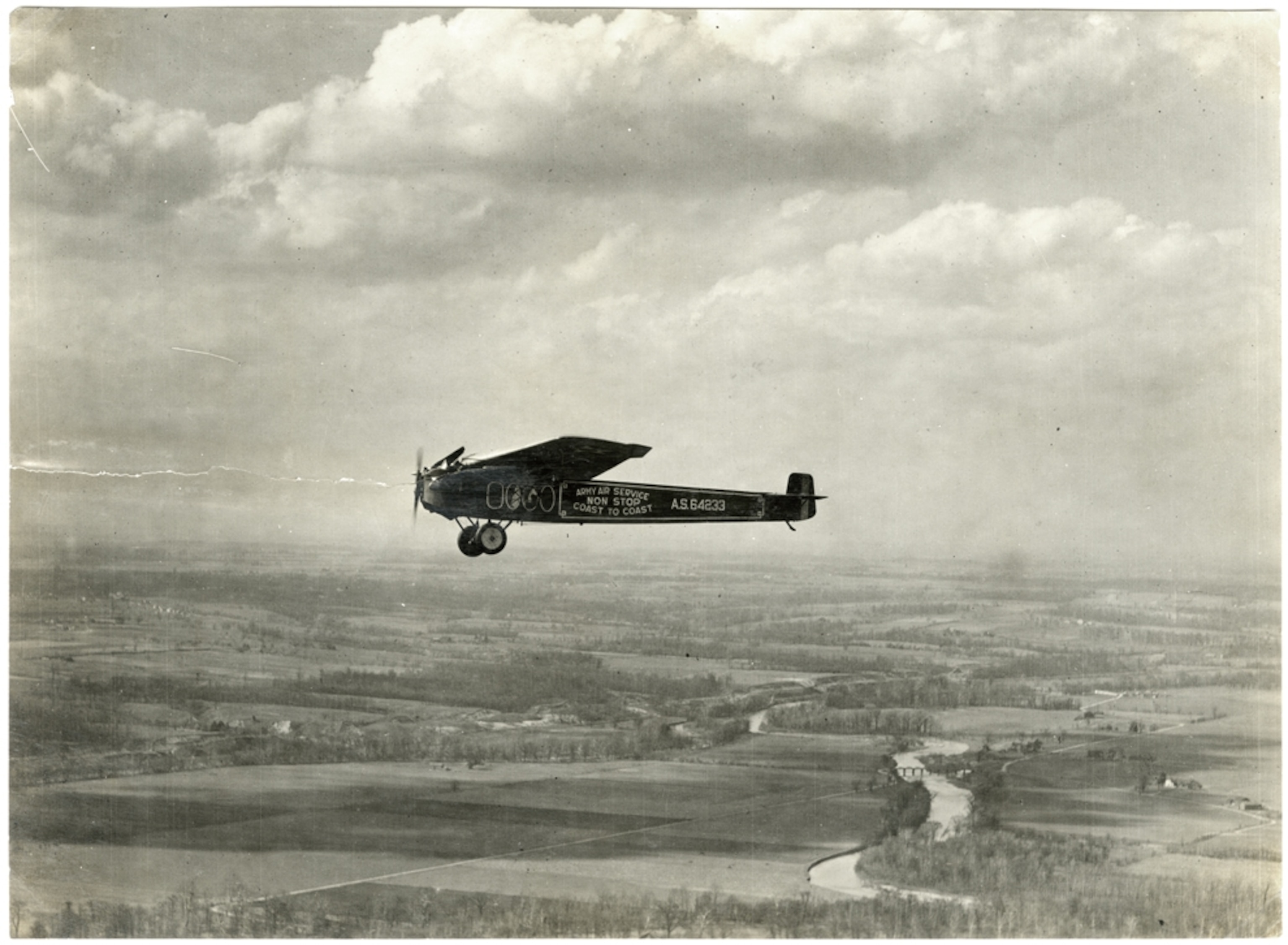
Source: ReutersTraveling Nonstop.
The Fokker T-2 airplane is seen flying east to west over the U.S. countryside during the first nonstop flight across North America in 1923.
Source: Reuters
Currently being built and tested, Orion-like Crew Dragon and Starliner-is a space capsule similar to the spacecraft of the Mercury, Gemini, and Apollo programs, as well as Russia's Soyuz spacecraft. But the Orion capsule is larger and can accommodate a four-person crew.
Capsules offer launch-abort capabilities that can protect astronauts in case of a rocket malfunction. Their weight and design mean they can also travel beyond Earth's immediate neighbourhood, potentially ferrying humans to the moon, Mars, and beyond.
A new era in spaceflight
By moving into orbit with its Commercial Crew Program and partnering with private companies to reach the lunar surface, NASA hopes to change the economics of spaceflight by increasing competition and driving down costs.
The United States is not the only country with its eyes on the sky. Russia regularly launches humans to the International Space Station aboard its Soyuz spacecraft. China is planning a large, multi-module space station capable of housing three taikonauts.
Now, more than a dozen countries have the ability to launch rockets into Earth orbit. A half-dozen space agencies have designed spacecraft that shed the shackles of Earth's gravity and travelled to the moon or Mars.